Scuola primaria, Scuola secondaria di I grado, Scuola secondaria di II grado, Pubblico generico
EXMA
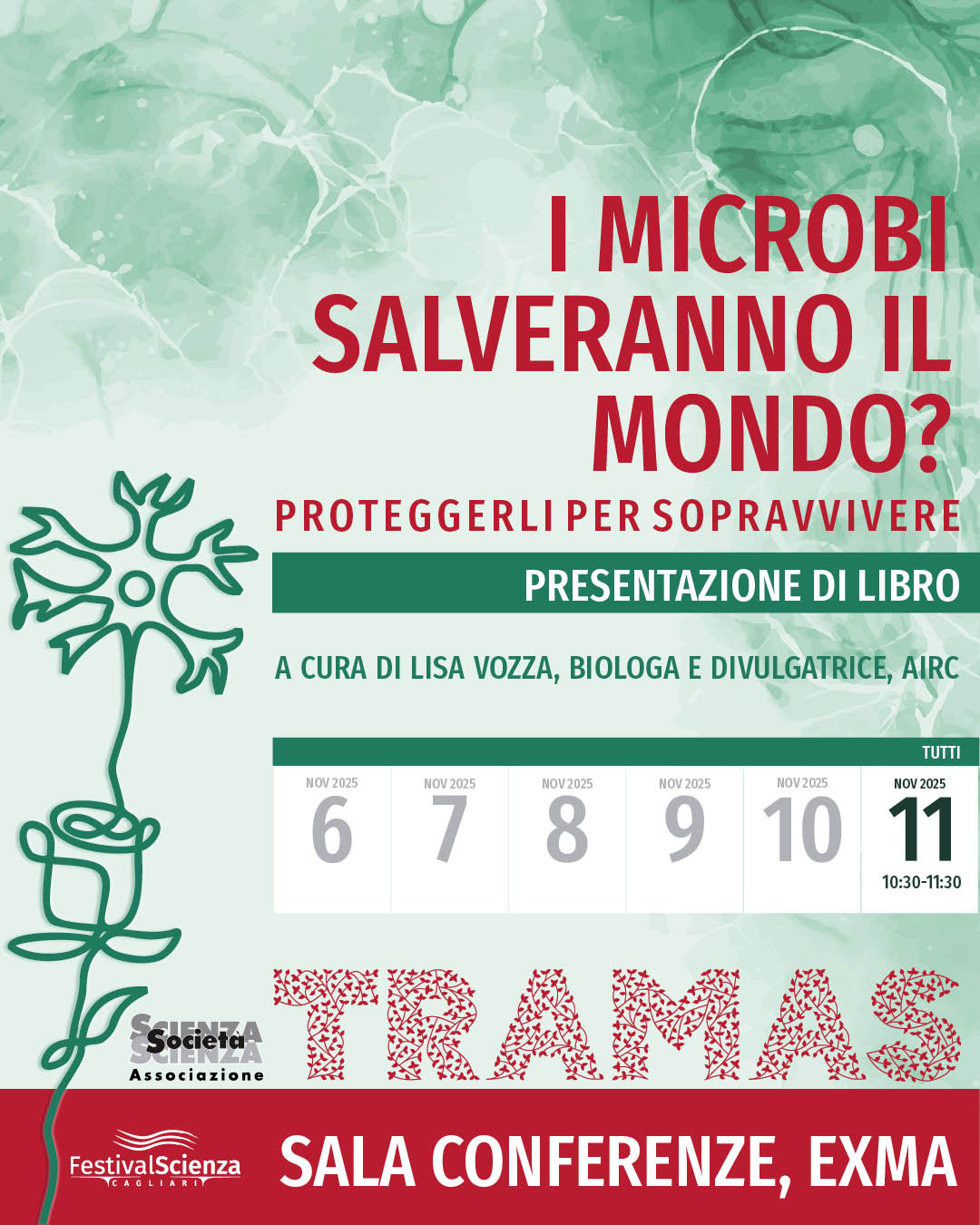
By: Lisa Vozza, Biologist, AIRC
A trillion species of microorganisms sustain all life on Earth and make the planet habitable: without microbes, we wouldn’t have bread, wine, or beer, nor could we dispose of waste. Above all, we wouldn’t exist. Not only the intestine, but also the immune system, for example, requires constant microbial contact to learn to distinguish friends from enemies. Where this intimate relationship is compromised, we get sick. A minority, approximately 1,400 species, however, cause infections, and to eliminate them we use tools of mass destruction like antibiotics, disinfectants, and detergents. But in doing so, we lose useful or harmless microbes, while the more dangerous ones, evading all treatment, survive. Today, we need more ecological and targeted solutions to preserve global microbial diversity. What we call the Anthropocene must find the right balance with the Microbiocene, an epoch that began almost four billion years ago and will continue as long as life remains on Earth.
Lisa Vozza
A biologist and science communicator, she is Chief Scientific Officer at the Italian Association for Cancer Research (AIRC). Together with Rino Rappuoli, she won the Galileo Literary Prize in 2010 with her book Vaccines of the Global Era.
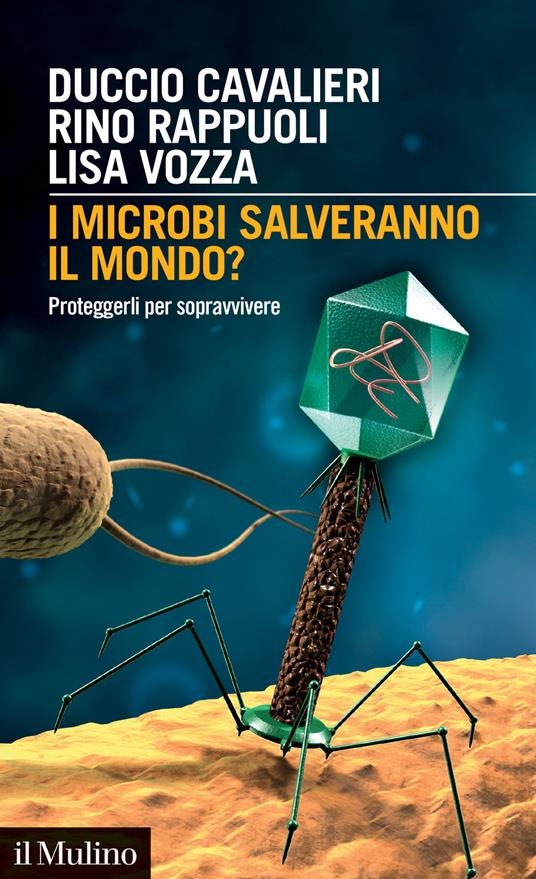
Will microbes save the world?
Protect them to survive
il Mulino
Reconciling ourselves with the world of microorganisms. A fascinating journey to discover the “invisible diversity” essential to our survival. A trillion species of microorganisms sustain all life on Earth and make the planet habitable: without microbes, we would have no bread, wine, or beer, nor could we dispose of waste. Above all, we would not exist. Not only the intestine, but also the immune system, for example, requires constant microbial contact to learn to distinguish friends from enemies. Where this intimate relationship is compromised, we become ill. A minority, approximately 1,400 species, cause infections, and to eliminate them we use tools of mass destruction such as antibiotics, disinfectants, and detergents; but in doing so, we lose useful or harmless microbes, while the more dangerous ones, evading all treatment, survive. Today, we need more ecologically friendly and targeted solutions to preserve global microbial diversity. What we call the Anthropocene must find the right balance with the Microbiocene, an epoch that began almost four billion years ago and will continue as long as life remains on Earth.
Field: Biology
Duration: 1 hour
Target: Scuola primaria, Scuola secondaria di I grado, Scuola secondaria di II grado, Pubblico generico