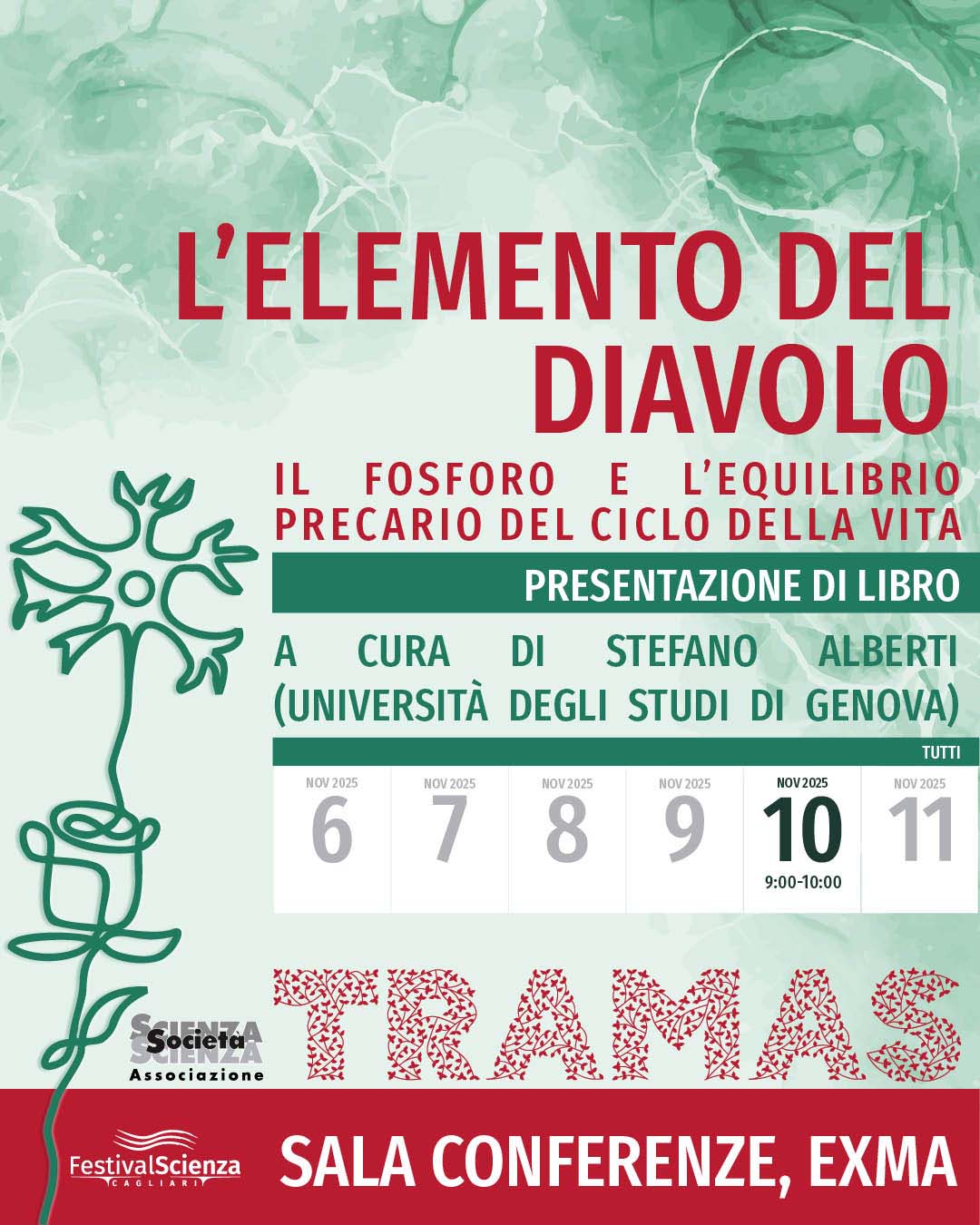
Phosphorus and the precarious balance of the life cycle
Presentazione di libro
Scuola secondaria di II grado
EXMA
By: Stefano Alberti, University of Genoa
Life on Planet Earth, characterized by the presence of non-equilibrium thermodynamic systems, can be sustained thanks to the succession of biogeochemical cycles, or pathways that describe the movement and recycling of certain chemical substances between the biotic and abiotic components of the biosphere. The biosphere, therefore, can only be defined as such by virtue of the maintenance of these cycles, which involve different substances that complete their cycles at different times, specific to each chemical species involved. Not only life itself depends on these cycles, but also all the activities that living beings perform in the biosphere (especially humans).
Respecting the time characteristic of each cycle should be the basic requirement for organizing any type of activity; yet, nowadays, time spent “waiting” is considered wasted.
Understanding biogeochemical cycles is essential; in other words, learning to respect the time it takes for each cycle to complete means being able to practice and implement environmental sustainability.
Stefano Alberti
Stefano Alberti is a Research Associate in Physical Chemistry at the University of Genoa (DCCI). His research and teaching activities focus on environmental aspects of physical chemistry, such as non-equilibrium thermodynamics, energetic aspects, distribution of chemical species in the environment, water purification, and synthesis.
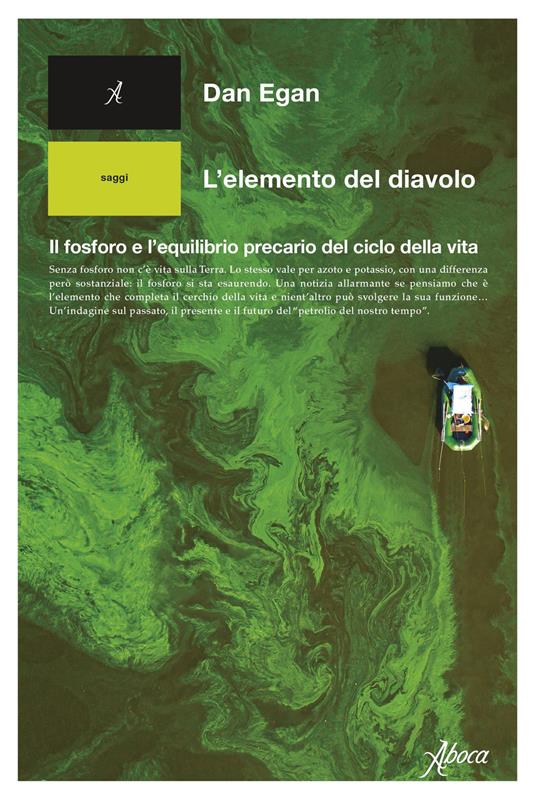
The element of the Devil
Phosphorus and the precarious balance of the life cycle
Aboca
“The Devil’s Element” is a compelling work of science journalism, an essential and illuminating account that urges us to pay attention to one of the most dangerous yet least-known environmental issues of our time. The expertise and impeccable style of Dan Egan, a two-time Pulitzer Prize finalist, make a difference. The history of phosphorus spans the globe and multiple eras, from ancient times to the present. First discovered in a 17th-century alchemist’s laboratory in Hamburg, it quickly became a highly sought-after resource. The rush to mine phosphorus has spanned from the battlefields of Waterloo, which were raided for the bones of fallen soldiers, to the legendary guano islands off the coast of Peru, from Florida’s Bone Valley to the sand dunes of Western Sahara. Over the past century, phosphorus has made agriculture vastly more productive, contributing to the enormous increase in the human population. Yet, as Egan heartbreakingly reports, our overreliance on this vital crop nutrient is now causing toxic algae blooms and “dead zones” in waterways. Phosphorus is today as precious and coveted as fossil fuels, but we are depleting its supply at such a rate that, just as with oil, some scientists fear we will reach “peak phosphorus” within a few decades, with a significant impact on future food shortages, a serious threat that risks increasing conflict and even war. This is the phosphorus paradox: we are consuming our increasingly scarce reserves of extractable phosphate rock, but at the same time we are doping our waters with excessive doses of phosphorus, harmful to the environment and our health. Without phosphorus, there is no life on Earth. The same is true for nitrogen and potassium, with one crucial difference: phosphorus is running out. Alarming news if we consider that it is the element that completes the circle of life and nothing else can perform its function… An investigation into the past, present and future of the “oil of our time”.