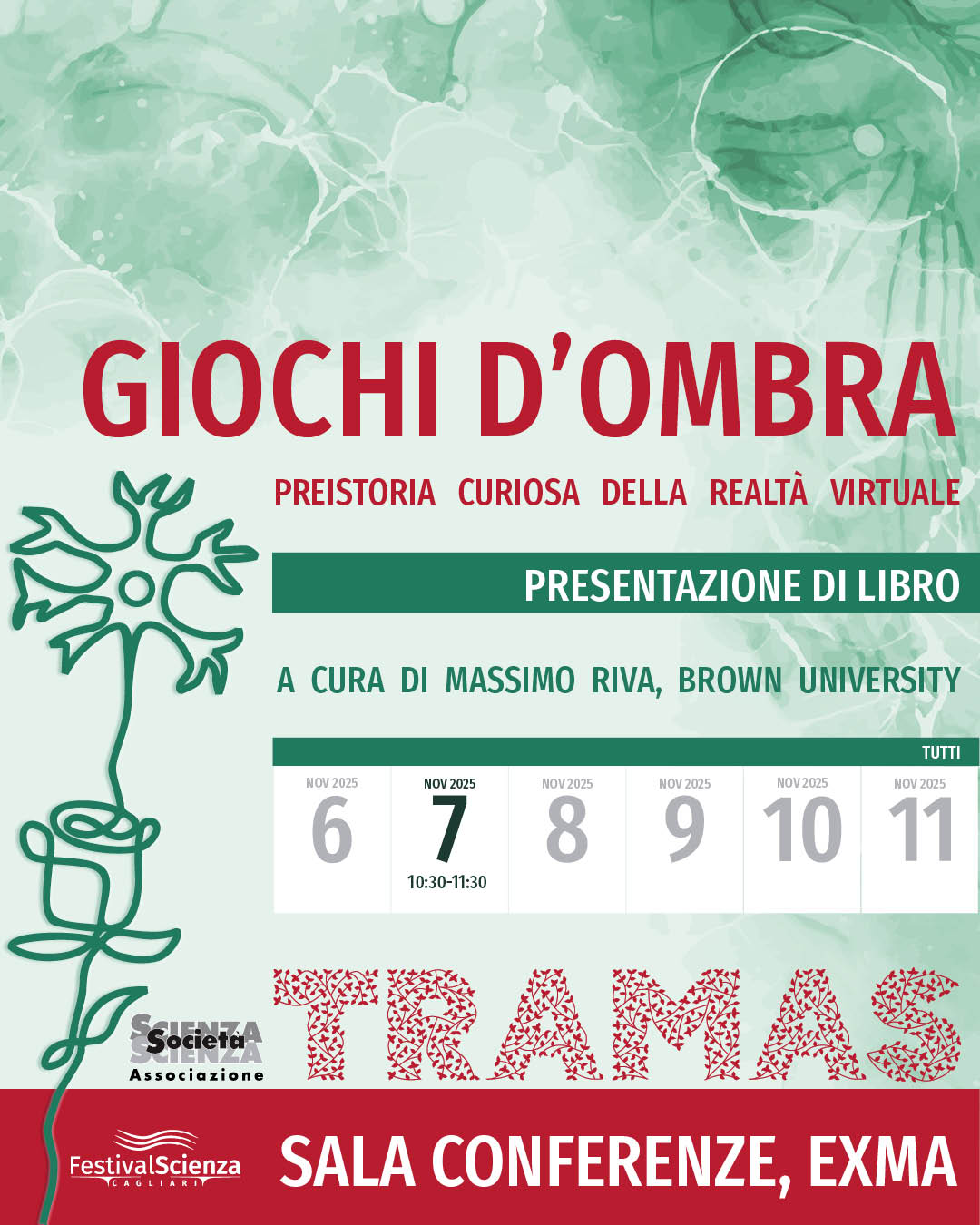
Scuola primaria, Scuola secondaria di I grado, Scuola secondaria di II grado, Universitari, Docenti, Pubblico generico
EXMA
Guest: Massimo Riva, Brown University
Two and a half centuries ago, strolling through the streets of Rome or a Venetian piazza, you might happen upon a peculiar type of street vendor, often accompanied by an organ grinder, who for a few pennies offered the chance to observe the wonders of the “new world.” How? Through the magic lantern he carried on his shoulder, an optical device that allowed one to travel while remaining still, and to reach distant palaces and temples, wild forests and endless plains, or even the stars and the moon. The magic lantern is but one of the many devices that in some way “anticipated” cinema and which we can now look at as phenomena that helped define the concept of virtual reality. A concept linked as much to the simulation of reality as to the conscious abandonment to the deception of shadows and their mystery. “The curious machines we present here belong to a minor history compared to the history of art, culture, and technology, ingeniously constructed as they are to play with shadows and reflections and deceive the senses, confuse but also stimulate the minds of those who use them.”
Massimo Riva
Professor of Italian Studies and Modern Media and coordinator of the Virtual Humanities Lab at Brown University in Providence, RI, USA.
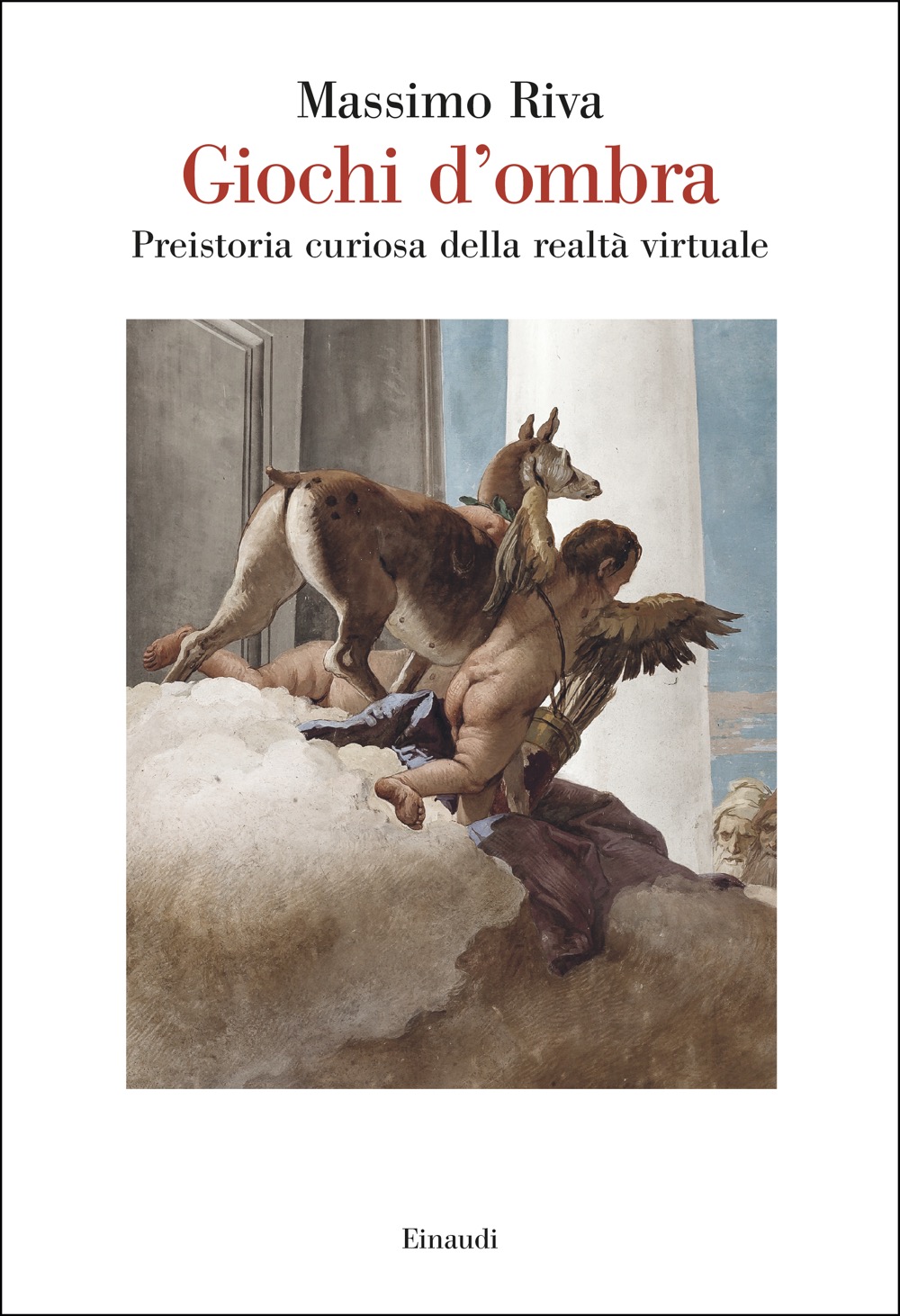
Shadow Games
The Curious Prehistory of Virtual Reality
Einaudi
Through a fascinating journey that begins with the Tiepolos, passes through Goldoni and Garibaldi, and reaches the early twentieth century, Riva leads us to discover technologies that have always deceived and enchanted viewers, following the flashes in the dark along a path that connects the past to the present and the present to our immediate future. And he shows us how the categories of true and false have always been intertwined by a thin thread, simultaneously seductive and spectral, which today is perhaps finally fading.
Field: Digital Humanities and Media Archaeology
Duration: 1 hour
Target: Scuola primaria, Scuola secondaria di I grado, Scuola secondaria di II grado, Universitari, Docenti, Pubblico generico