When you think of Leonardo da Vinci, you picture an artist, an inventor, a scholar. The image that comes to mind is that of a universal genius. Yet this wasn’t always the case: before the 17th century, Leonardo was considered a highly skilled painter, but it was unknown that his extraordinary talent stemmed from acute scientific research. Part of his genius, in fact, lay in his ability not only to observe but also to note everything that happened around him: from the movement of his muscles to the play of shadows and colors, from the tangle of tree branches to the varying densities of the air, to the point of intuiting the nature of phenomena that would only be understood centuries later.
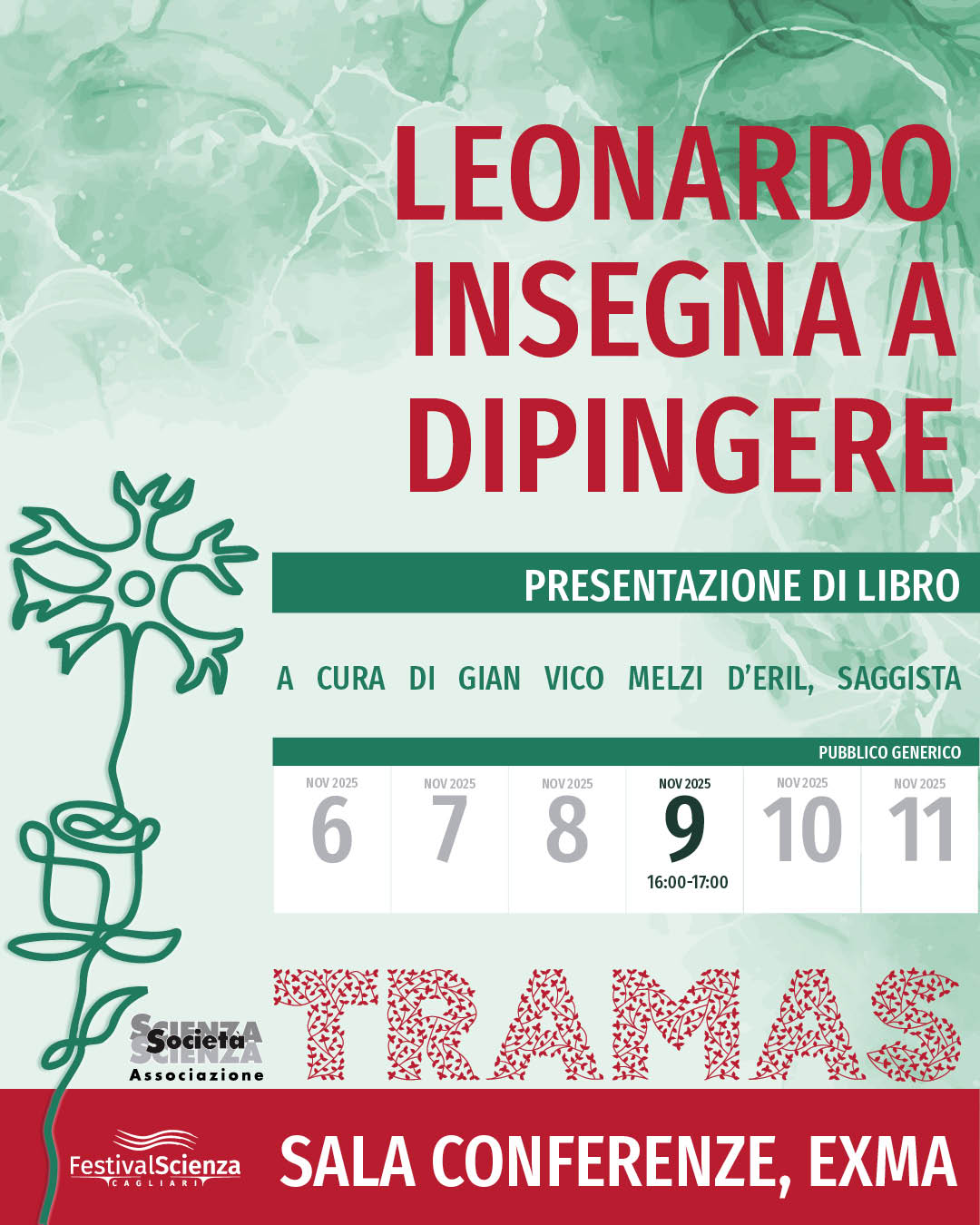
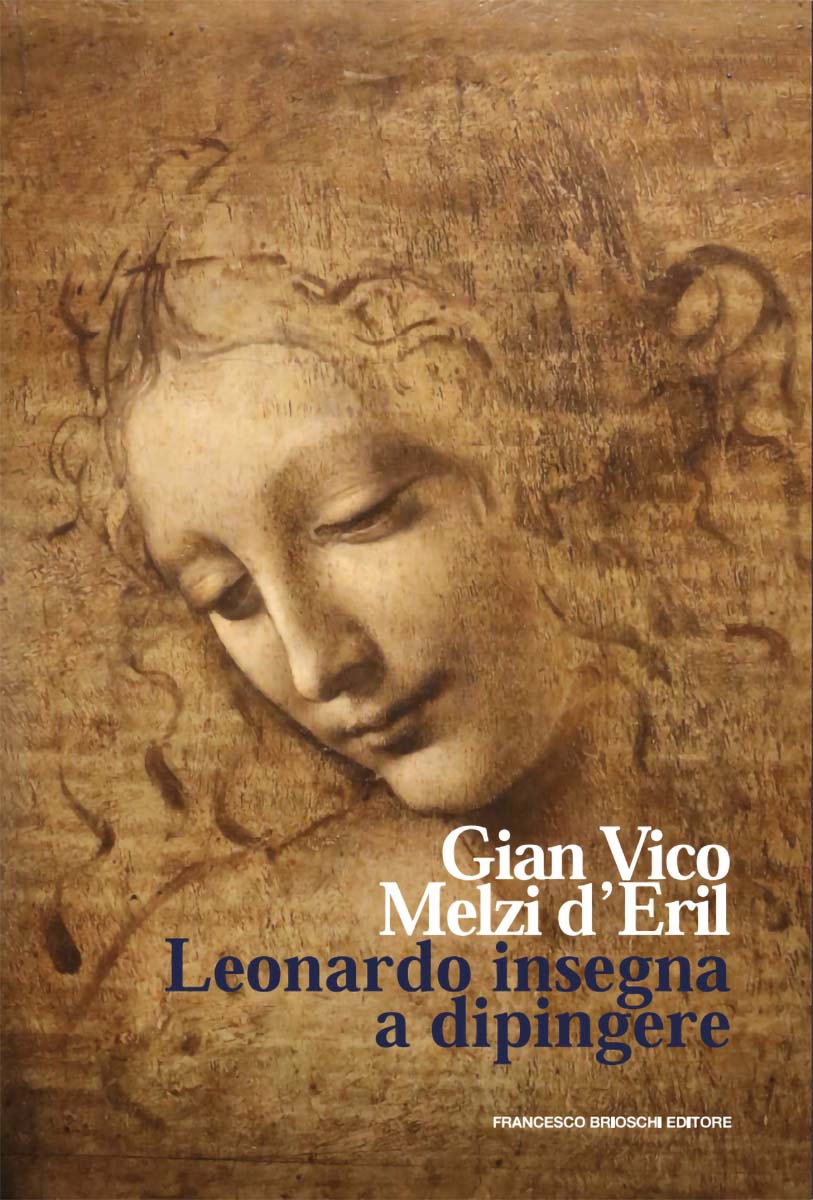
Leonardo Teaches Painting is an essay that explains how Science and Painting, seemingly distant disciplines, are actually two sides of the same coin. It is a journey to discover the master’s workshop, his teachings to the aspiring painter, and, above all, those notes that allowed him to become a great artist, which have come down to us thanks to Francesco Melzi, his favorite pupil.
Gian Vico Melzi d'Eril
Gian Vico Melzi d’Eril, former full professor of Clinical Biochemistry and Clinical Molecular Biology (State University of Milan), is the author of two books: “In casa Melzi con Leonardo” (2020) and “Leonardo teaches painting” (2024).
Leonardo teaches painting
Francesco Brioschi Editore
Science and painting, seemingly distant disciplines, are actually two sides of the same coin. This essay discusses the history and content of the “Book of Painting” by the master from Vinci, written by Giovanni Francesco Melzi.