Scuola primaria, Scuola secondaria di I grado, Scuola secondaria di II grado, Pubblico generico
EXMA
By: Patrizia Caraveo, INAF
Artificial lighting is one of the greatest achievements of our society, but it is also one of the most pervasive human interventions on the entire planet.
Besides preventing us from enjoying the spectacle of the starry sky, the presence of artificial lights alters the habitat of plants and animals. Excessive light, and the wrong color, has negative effects on all living things, which are forced to live in an environment radically different from the natural one, which has always been governed by the alternation of day and night.
Lights attract insects that flock around streetlights, where approximately a third die of exhaustion, contributing to the horrific insect massacre that scientists are increasingly decrying.
Lights disrupt migration routes, reproduction, and predator-prey relationships, causing accidental deaths in such numbers that some bird species are feared extinct. In humans, artificial lighting inhibits the production of melatonin, altering our body’s circadian rhythm, disrupting our sleep cycle, and contributing to the onset of disease.
We need to become aware of these problems and learn to respect the night by using appropriately colored, directional, and intelligent lighting, turned on only when needed.
By doing so, we will help protect biodiversity, but we will also benefit economically by saving energy.
Patrizia Caraveo
Patrizia Caraveo is a Research Director at the National Institute for Astrophysics (INAF) and former director of the Institute for Space Astrophysics and Cosmic Physics in Milan. In 2017, she was appointed Commander of the Order of Merit of the Italian Republic.
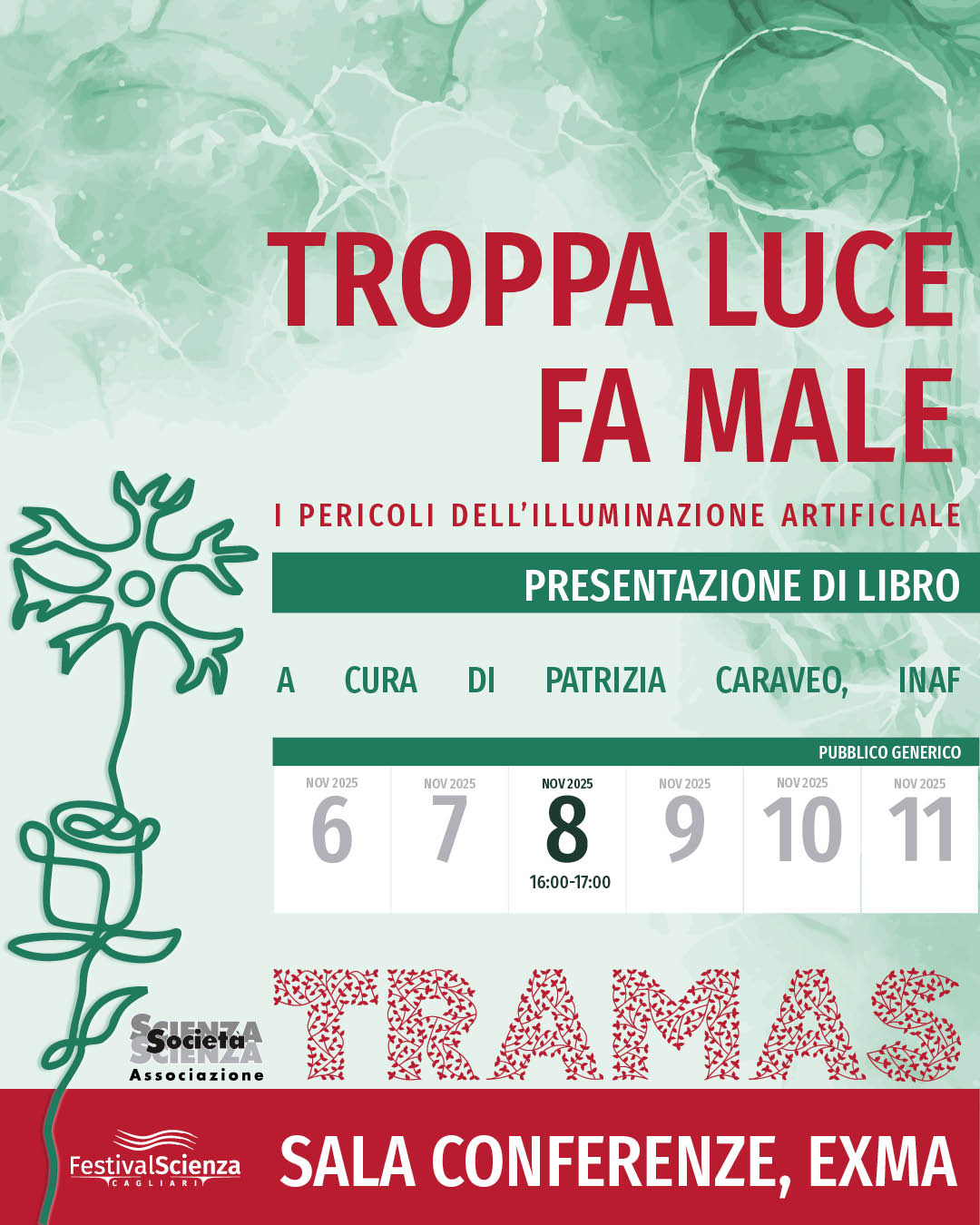
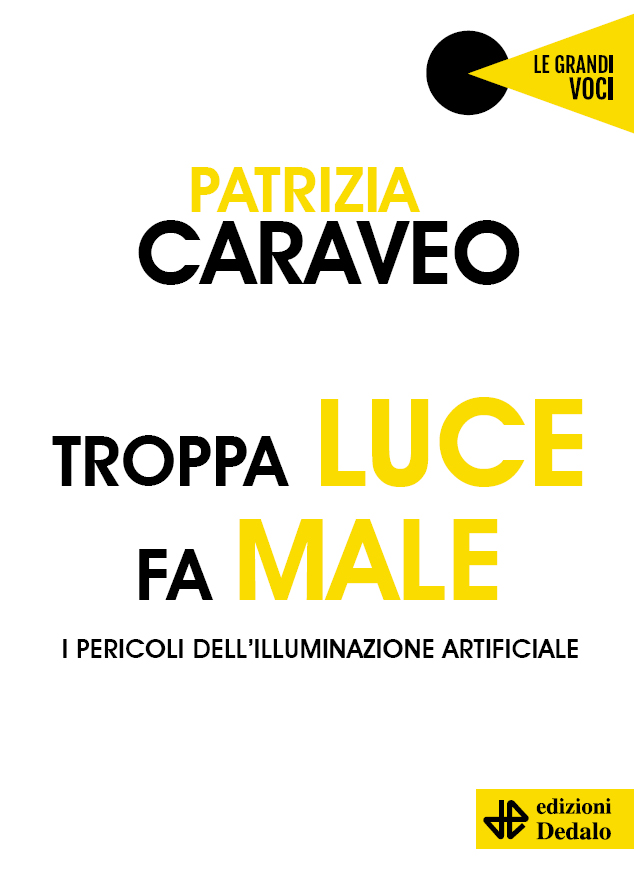
Too much light is not good
The dangers of artificial lighting
Dedalo
Artificial lighting is one of our society’s greatest achievements, but also one of the most pervasive human interventions on the planet. Besides preventing us from enjoying the spectacle of the starry sky, the presence of artificial lights alters the habitat of plants and animals. Excessive light, and the wrong color, has negative effects on all living beings, forced to live in an environment radically different from their natural one, which has always been governed by the alternation between day and night. Lights disrupt migration routes, reproduction, and predator-prey relationships, causing accidental deaths on such a scale that some bird species are feared extinct. In humans, artificial lighting inhibits the production of melatonin, altering our circadian rhythm, disrupting our sleep cycle, and contributing to the onset of disease. We need to become aware of these problems and learn to respect the night by using lighting of the right color, not excessive, directional and intelligent, turned on only when necessary. By doing so, we will help protect biodiversity, but we will also benefit economically thanks to energy savings.
Field: Natural Science
Duration: 1 hour
Target: Scuola primaria, Scuola secondaria di I grado, Scuola secondaria di II grado, Pubblico generico